
01 · Crushers & Mills
Hammer Mill
Spare & Wear Parts
Hammers in manganese steel, manganese-molybdenum and high chrome, supplied in complete weight-balanced sets that preserve rotor equilibrium and avoid vibration — with screen plates in custom openings for the target granulometry.
- Materials
- Manganese steel · Mn-Mo · high chrome; ceramic/carbide option
- Supply
- Complete weight-balanced sets — preserves rotor equilibrium
- Quality
- Weight-balanced sets · certified alloys per cast
- OEM compatibility
- Available for the most common hammer mill brands in the market
- Availability
- Ready-to-order or custom-engineered — Maximum Productivity · Longer Life · Special Application
Parts index
Complete parts list
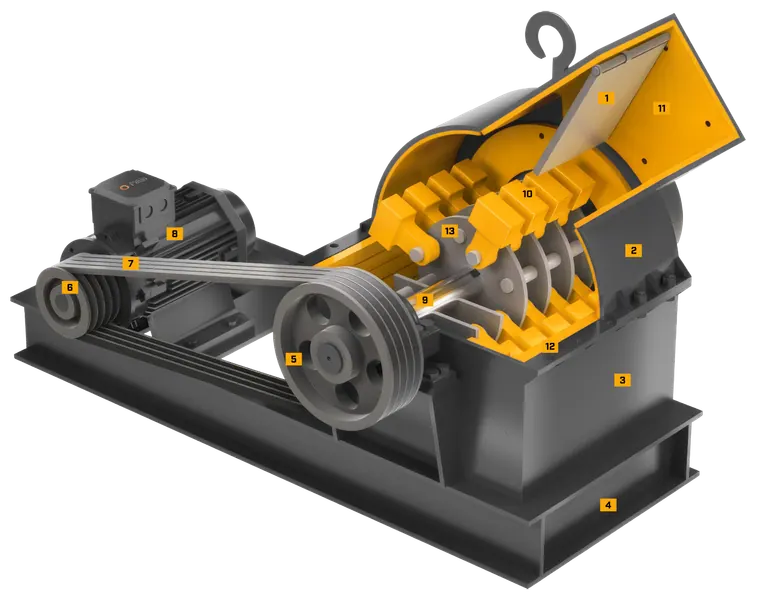
Spare parts — machined to OEM tolerance
- 01Inlet deflector
- 02Upper frame
- 03Lower frame
- 04Base
- 05Belt pulley
- 06Motor pulley
- 07Drive belts
- 08Motor
- 09Drive shaft
Wear parts — certified alloys
- 10Hammer
- 11Liner plate
- 12Screen plate
- 13Rotor plate
Wear parts
The parts that do the work
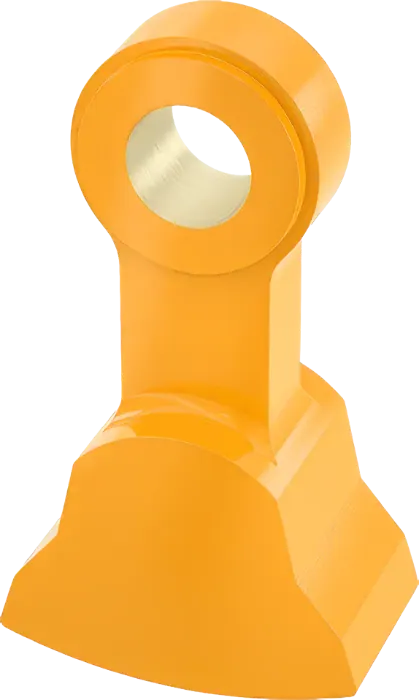
WEAR · Nº 10
Hammer
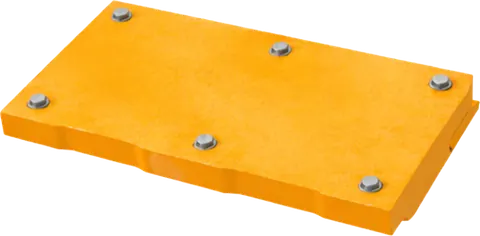
WEAR · Nº 11
Liner plate
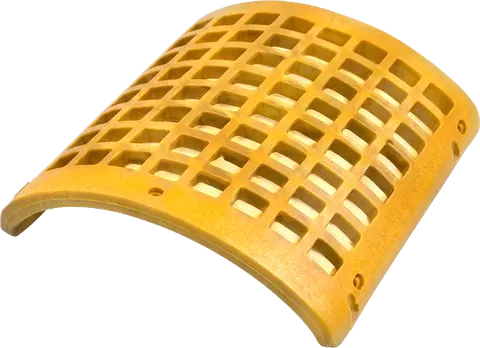
WEAR · Nº 12
Screen plate
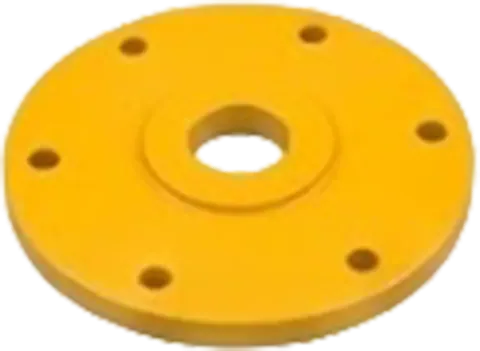
WEAR · Nº 13
Rotor plate
Premium Line — Ceramic & Carbide
When standard manganese isn't enough
Hammers reinforced with ceramic and tungsten/titanium carbide inserts embedded in the critical wear zones. The inserts, far harder than the metallic matrix, wear more slowly and keep the working profile through the whole campaign — multiplying service life in extremely abrasive applications.
Explore the Premium Line →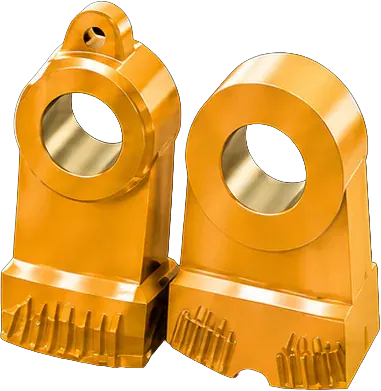
Frequently Asked Questions
Do hammers have to be replaced as a complete set?
Yes, and weight-matched — it is why we supply them that way. A hammer mill rotor turns fast enough that a small weight difference between opposing positions becomes a large out-of-balance force, and the damage does not land on the hammer: it goes into the bearings, the shaft and the housing. Fitting two new hammers among six worn ones is how a rotor gets destroyed. Sets arrive weighed and matched, so the balance is right before the door closes.
Which alloy should my hammers be — manganese, Mn-Mo or high chrome?
Feed abrasiveness, and what else arrives with it. Manganese work-hardens under impact and stays tough, so it tolerates tramp metal and large lumps — the right answer for recycling and for feed nobody can fully control. High chrome is much harder and lasts far longer in abrasive, low-impact duty such as limestone and gypsum, but it is brittle, and a piece of tramp iron can break it. Manganese-molybdenum sits between the two, and is the usual answer when the feed is too abrasive for manganese but too dirty for high chrome.
How do I choose the screen opening?
The screen sets your product size, and everything else follows from it. A smaller opening gives a finer product but holds material in the chamber longer, which costs throughput and puts more wear on hammers and screen alike — material that cannot leave keeps getting hit. A larger opening lifts capacity and passes a coarser product. Worn hammers push you the same way a small screen does: as the hammers shorten, less energy reaches the material, more of it recirculates, and capacity and screen life fall together.
Material is building up on the screen and throughput has dropped. What is happening?
That is blinding, and it is usually moisture rather than the screen. Wet or clay-bearing feed packs into the apertures and closes them, so the chamber fills and the hammers grind rather than break. Worn hammers cause the same symptom by a different route — too little impact to reduce the material to a size that passes. Check hammer length before changing the screen: replacing a screen that was never the problem buys nothing.
When is the Premium Line with ceramic and carbide inserts worth the extra cost?
When changeout downtime costs more than the hammer. Inserted parts run roughly 40-60% more upfront and last substantially longer in abrasive duty, and they hold the striking profile through the campaign — which on a hammer mill also means the screen keeps seeing properly reduced material instead of a recirculating load. The case is strongest in high-silica, high-tonnage work and weakest in soft, clean feed where a standard hammer already lasts a long time.
How do I get more life out of the parts I already have?
Turn them before you replace them — most designs present more than one working corner, so a rotation is close to a free set. Keep tramp metal out with a magnet and a detector. Feed evenly across the full rotor width rather than down one side, so hammers wear along their length instead of in a band. And judge the screen and the hammers together: each masks the other's wear, and changing one without looking at the other is the most common wasted changeout on this machine.