
01 · Crushers & Mills
Gyratory Crusher
Spare & Wear Parts
Mantles and protectors in high-manganese cast steel, with row-segmented concaves that allow partial replacement without disassembling the full set — solution annealed, UT tested and certified cast by cast.
- Materials
- Mn14 / Mn18 / Mn22 manganese steel; ceramic/carbide option
- Concaves
- Row-segmented — partial replacement without disassembling the full set
- Quality
- Solution annealed & water quenched · UT tested · Certified per cast
- OEM compatibility
- Metso/Nordberg · FLSmidth · ThyssenKrupp
- Availability
- Ready-to-order or custom-engineered — Maximum Productivity · Longer Life · Special Application
Parts index
Complete parts list
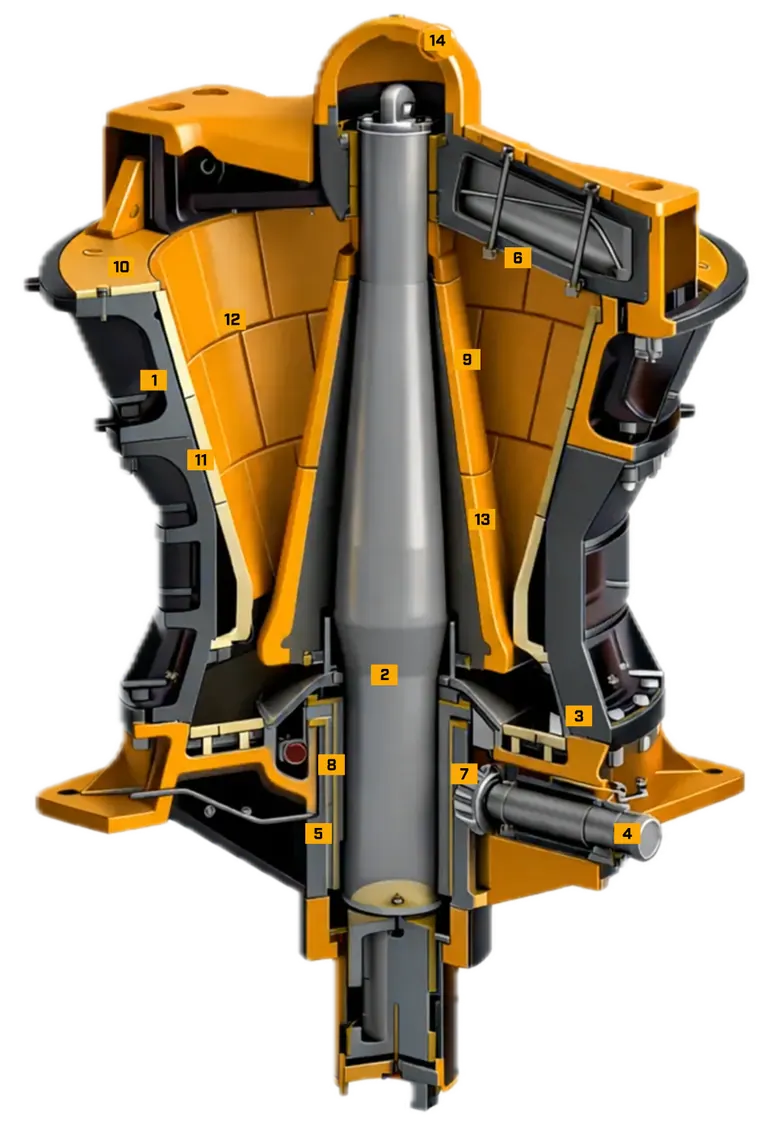
Spare parts — machined to OEM tolerance
- 01Upper shell
- 02Main shaft
- 03Lower shell
- 04Drive shaft
- 05Inner eccentric bushing
- 06Clamping nut
- 07Pinion
- 08Eccentric
Wear parts — high-manganese cast steel
- 09Upper mantle
- 10Lower liner
- 11Upper liner
- 12Protective liner
- 13Lower mantle
- 14Spider cap
- 15Spider protection
Wear parts
The parts that do the work
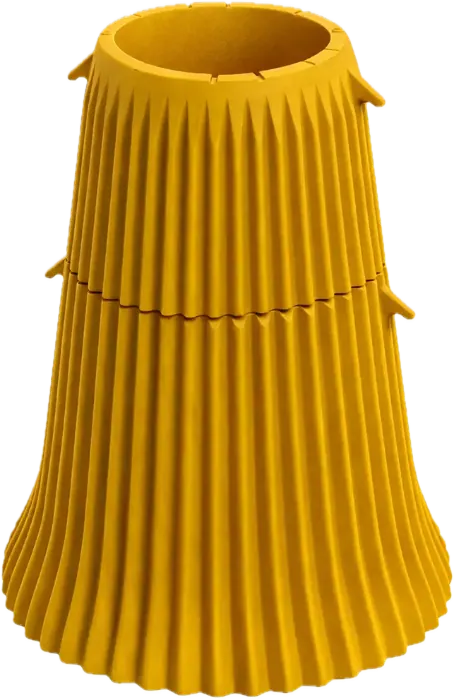
WEAR · Nº 09 + 13
Mantle — complete set
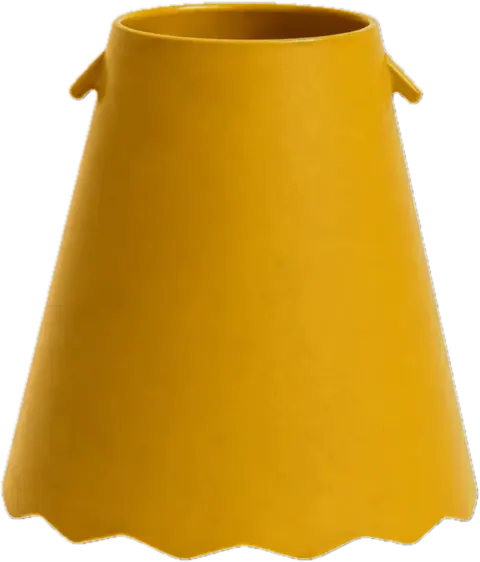
WEAR · Nº 09
Upper mantle
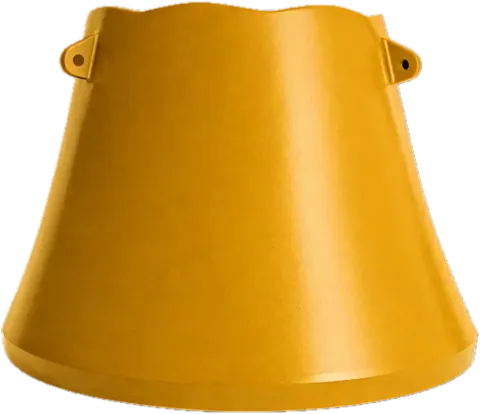
WEAR · Nº 13
Lower mantle
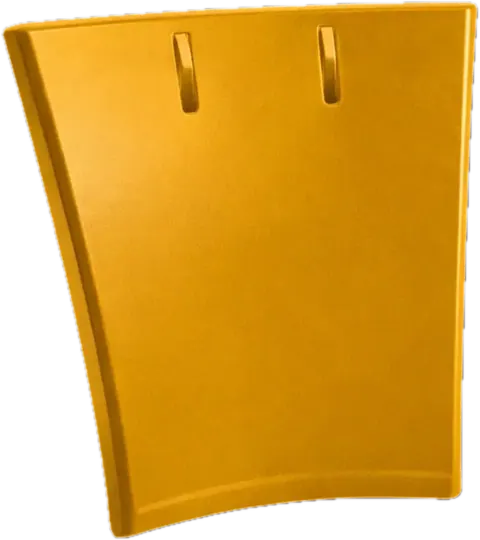
WEAR · Nº 10–12
Liners — lower · upper · protective
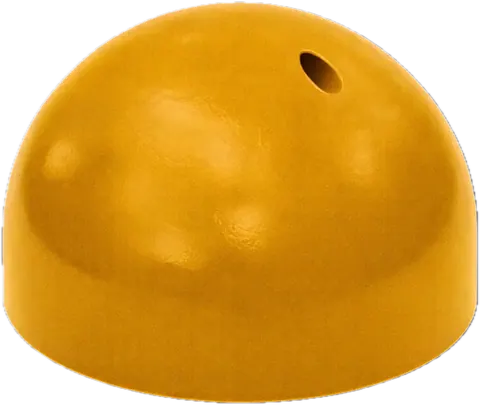
WEAR · Nº 14
Spider cap
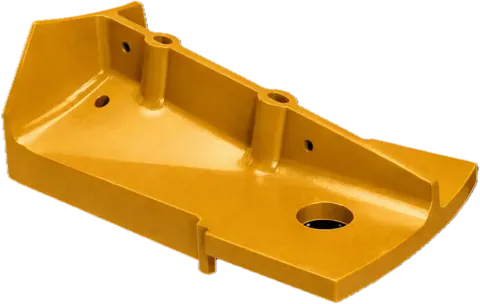
WEAR · Nº 15
Spider protection
Compatibility
Equipment ranges we cover
We manufacture and supply spare and wear parts to suit the equipment below. Tell us the model and we will quote the exact part.
| Brand | Ranges & models |
|---|---|
| Metso |
SG
SG4265 · SG5065 · SG5475 · SG6275 · SG6089 · SG60110 · SG60110E
|
| Sandvik |
Gyratory
CG810 · CG820 · CG830 · CG850
|
| FLSmidth |
Fuller-Traylor
TS 54-75 · TS 62-75 · TSUV 60-110
|
| Thyssenkrupp |
Krupp
KB 54-75 · KB 63-89 · KB 63-130
|
Also supported
FLSmidth FLS Minerals · Svedala · Allis-Chalmers · FFE · Nordberg · and more
Frequently Asked Questions
Can I replace only the worn concave rows, or do I have to change the whole set?
Row by row — that is the point of the segmented design. Concaves are supplied as segmented rings, so individual segments and whole tiers come out without stripping the full assembly, and each row can carry its own profile and alloy for the wear it actually sees. What matters is that a tier goes in as a matched set: mixing grades or batches across rows gives you different wear rates inside the same chamber, and you end up pulling tiers at half life to keep the others company. Tell us which rows you are changing and we supply them matched.
Why does the top row of concaves wear out before the rest?
Because it takes the feed. The upper tier catches the direct impact of blocks that can run over a metre and weigh several tonnes as they enter the chamber, while the lower rows see progressively smaller material under compression. That is normal, and it is exactly why the rows are segmented and why a top row can justify a different alloy from the rest. What is not normal is one side of a row running ahead of the others — that is a feed distribution problem, not a metallurgy one.
Which manganese grade should I specify, and can different rows use different grades?
Mn14, Mn18 and Mn22 — and yes, the segmented design is exactly what makes mixing them worthwhile. Grade follows impact, not the highest number: manganese castings start at roughly 200 HB and work-harden in service to 450-550 HB, but only where the row actually receives enough impact to trigger it. The upper rows and the upper mantle take the direct blow of incoming feed, which is where Mn18 and Mn22 earn their keep. The lower rows see smaller material under compression — more abrasion, less impact — so a harder grade there can wear faster, because it never work-hardens and abrades away as raw austenite. Tell us the feed and which rows you are replacing and we specify the grade row by row.
Are ceramic and carbide inserts available for gyratory liners?
Yes, and a gyratory is a better candidate for them than most machines, because the segmented chamber lets you put them only where they pay. The inserts are carbide embedded in the manganese matrix: far harder than the surrounding metal, they wear more slowly and hold the profile through the campaign. They earn the most in the lower rows, where abrasion dominates and the impact is too low for plain manganese to work-harden properly — the exact place a standard liner disappoints. Expect roughly 40-60% more upfront. In a high-silica, high-tonnage operation that pays back; in soft rock a standard casting already lasts a long time.
Should the upper and lower mantle be changed together?
Usually yes, and always as a matched pair when both are near their limit. A new mantle section running against a worn one puts the profile out of true and concentrates load where it was never meant to go. The bigger issue is seating: a mantle that is not evenly seated does not just wear badly, it drives load into the eccentric and the spider bushing — and that turns a liner change into a mechanical repair. Check the seat and the backing at every change.
My mantle cracked instead of wearing out. What went wrong?
Cracking is usually a specification or installation problem rather than a casting defect: our manganese liners are solution annealed, water quenched, ultrasonically tested and certified cast by cast before they ship, so a manufacturing fault is the uncommon explanation. In a primary gyratory the most common cause is seating — a liner that is not fully supported takes bending loads it was never designed for, and direct truck dumping supplies more than enough impact to find that weakness. The other is a grade too hard for the impact available, so the surface fatigues while the bulk stays soft. Send us the failure photographs and the machine model.
What wears out the spider arms and caps, and can I protect them?
Material passing the feed opening, and anything that hangs up on it. The spider arms bridge the opening and steer the feed, so they sit in the flow path whether you want them there or not — arm shields and a spider cap exist to take that wear instead of the structure. If they are wearing unusually fast the cause is normally upstream: oversize bridging across the opening, or wet and sticky feed packing against the arms. Fix the bridging and the shields last far longer.
How do I get more life out of the liners I already have?
Feed distribution first. A gyratory fed off-centre — which is what direct truck dumping does unless the pocket is built for it — wears one side of the chamber ahead of the other, and you scrap a set with half of it still serviceable. Aim for feed that arrives centred and evenly graded rather than segregated, keep oversize out so the top row is not taking impact it was never sized for, and clear bridging promptly instead of crushing around it. None of it costs anything, and it is usually worth more than a change of alloy.